Dongri Industrial
New Taipei Municipal Shalun Elementary School
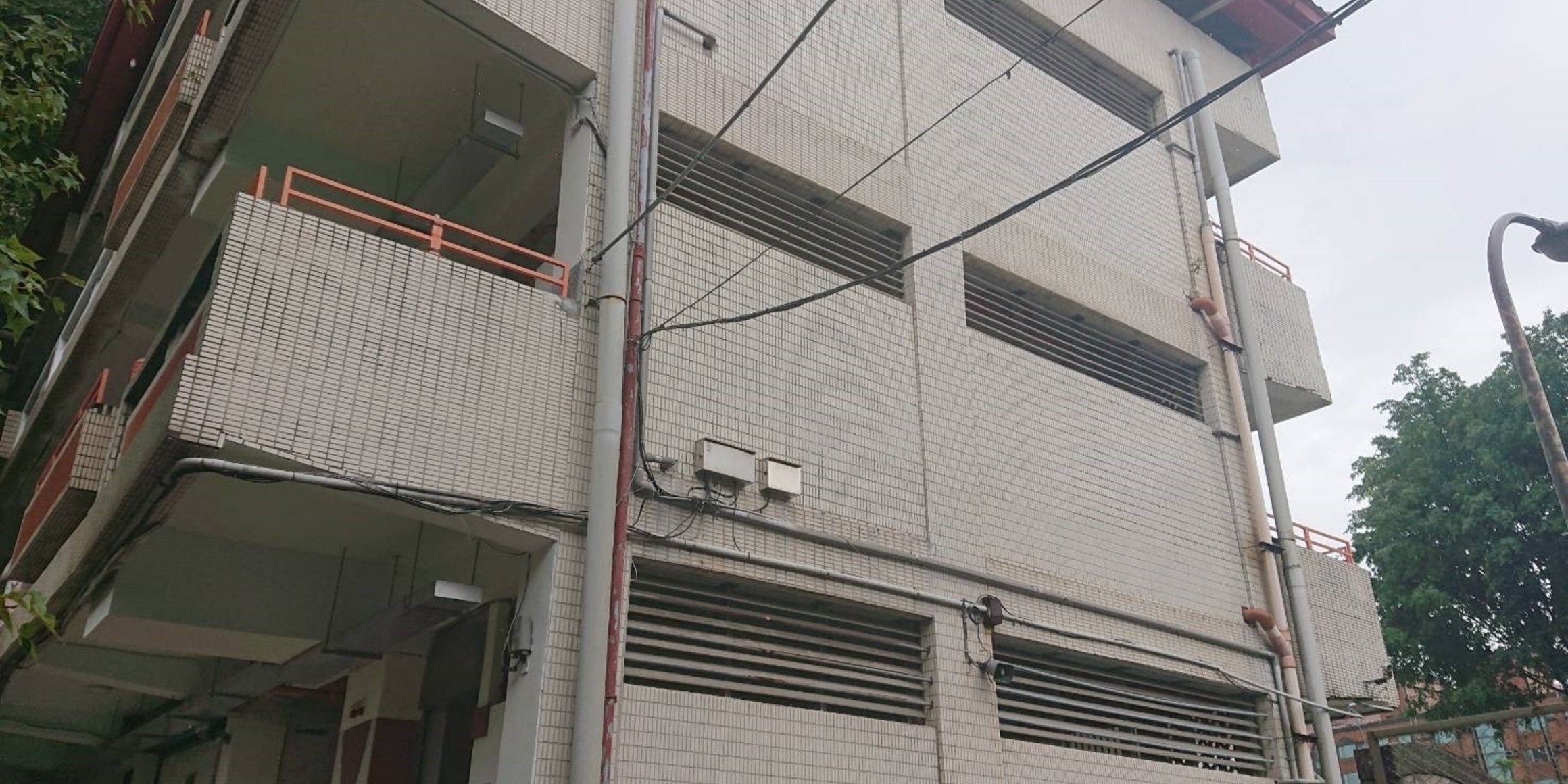
Overhead electrical wires and cluttered exterior piping are common sights across Taiwan. When the principal asked students for their thoughts, they responded, “It’s not pretty, but the installation is convenient and cheap—it doesn’t feel strange.” Elementary school is a critical period for the development of aesthetic awareness, yet children had grown accustomed to such disorder. Shalun Elementary hoped to change this condition, allowing the environment itself to model aesthetic values for students. The intention was to begin with subtraction—tidying cables and pipes, returning an unobstructed sky to the children, and shaping a clean, orderly campus that encourages good habits and nurtures aesthetic sensibilities.
Design analysis
-
Concept
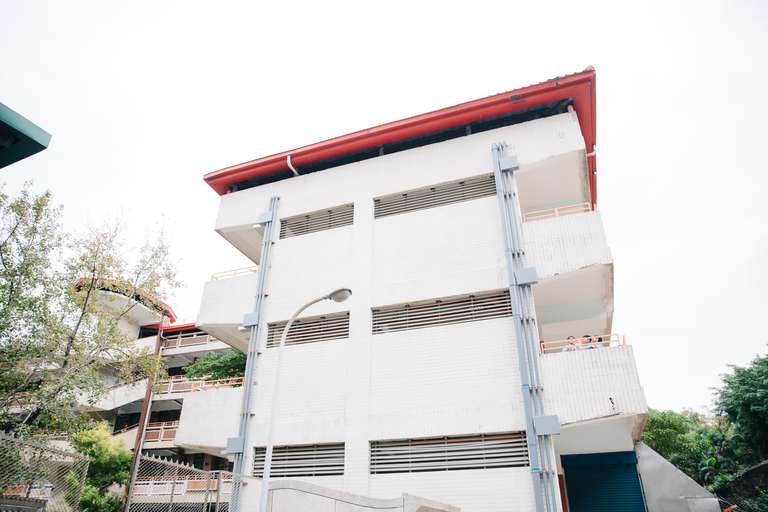
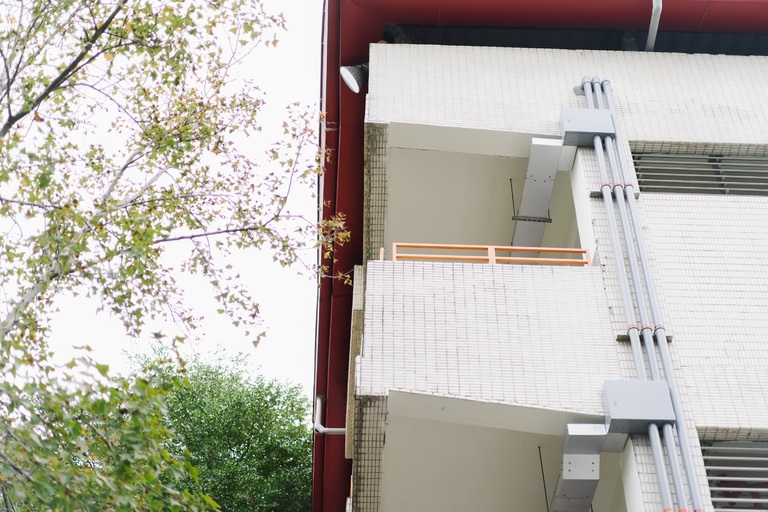
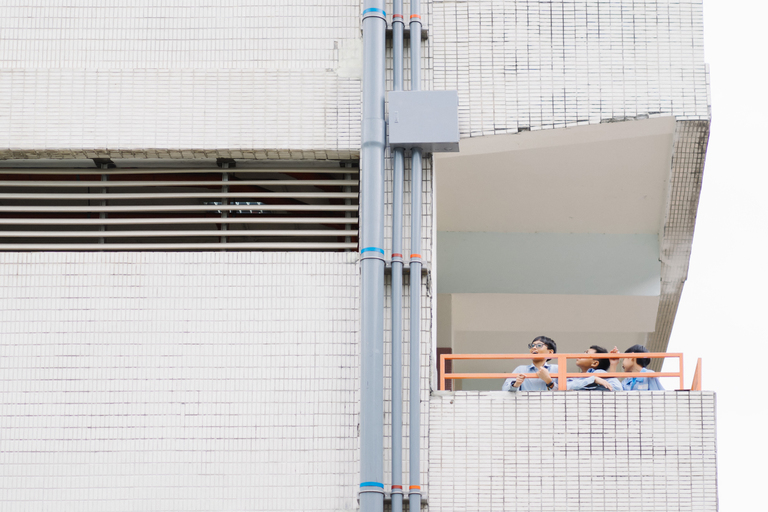
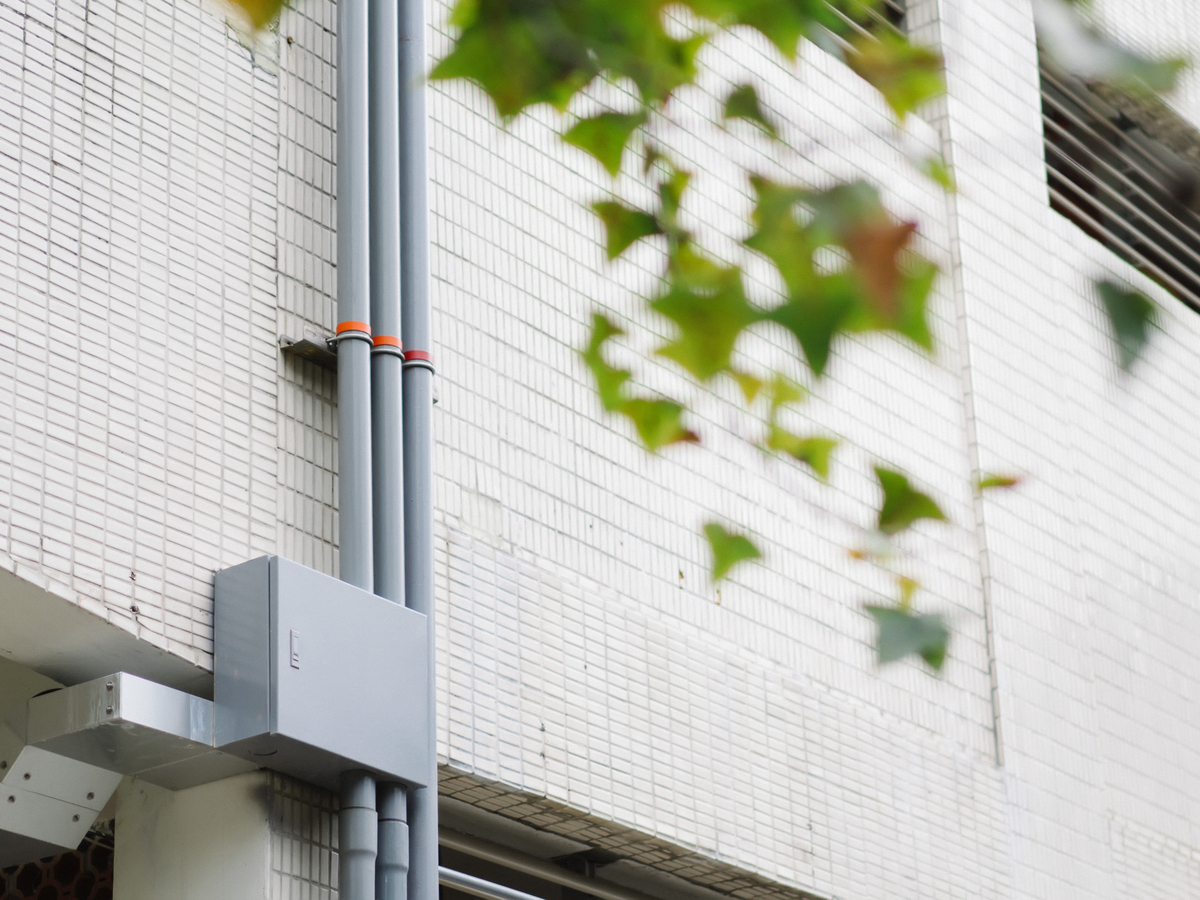
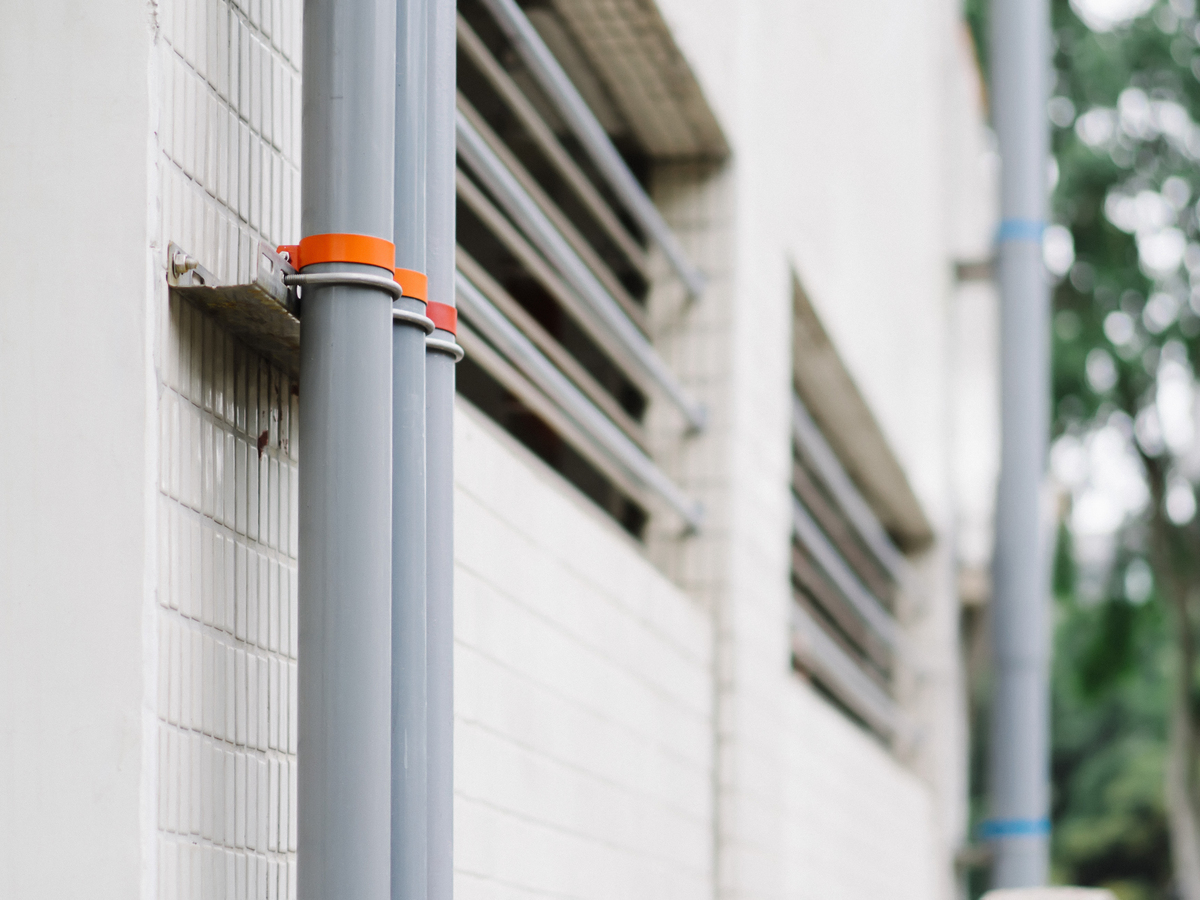
Campus color planning is often overlooked, yet aesthetic education begins with everyday surroundings. Through cable reorganization and design intervention, the design team analyzed the chaotic exterior pipes and disharmonious colors of the aging school buildings and re-planned them to restore order and achieve visual harmony.
-
Method
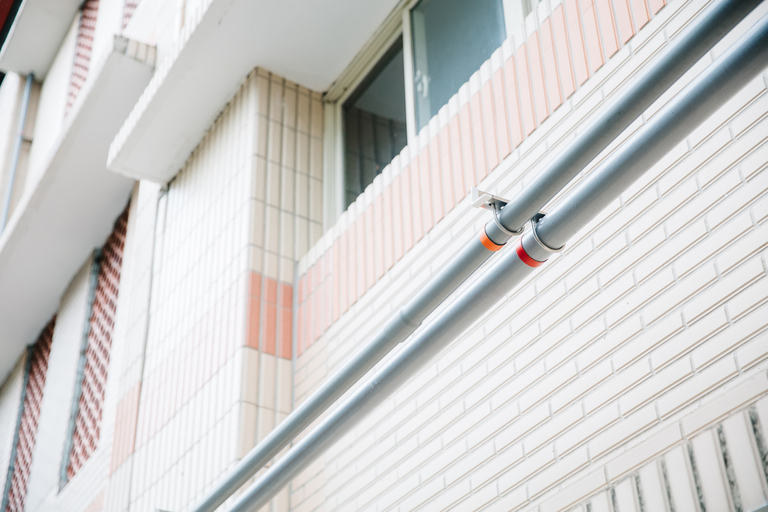
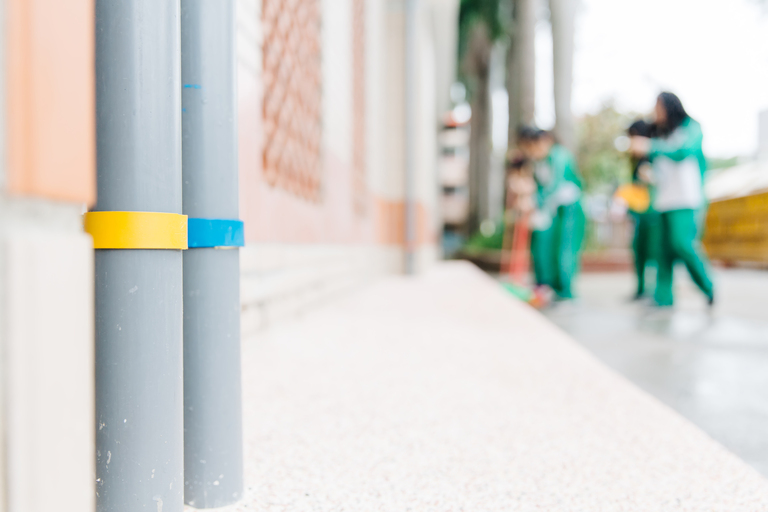
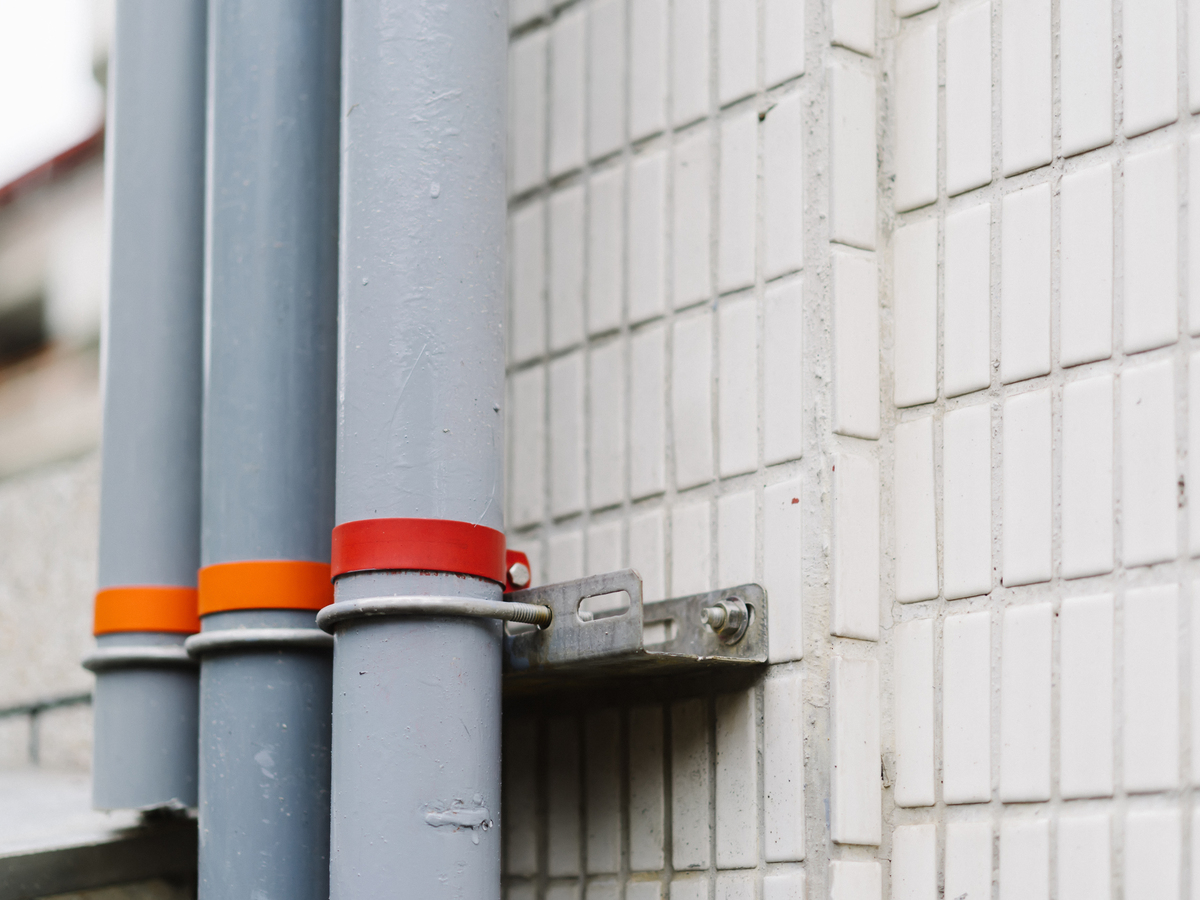
The team first analyzed the routing and color conditions of the two buildings’ exterior piping systems. A subtractive design approach was applied: unnecessary pipes were removed or integrated, remaining pipes were standardized using gray as the base color, and color-coded markers were added. Building A used “brown: sewage, orange: electrical conduits, blue: drainage,” while Building C used “yellow: water supply, orange: electrical conduits, red: fire protection.” This achieved a systematic, coherent piping appearance that is both orderly and aesthetically structured.