Atelier Let's
Kaohsiung Municipal HSIN CHUANG High School|Reference Only
“ Bring the power of visible thinking into daily life by creating an environment for children that values thinking, makes thinking visible, and actively promotes it. ”
— Ron Ritchhart, Mark Church, Karin Morrison
Breaking the Mold of Civics Education: Redefining the Use and Imagination of Classroom Space
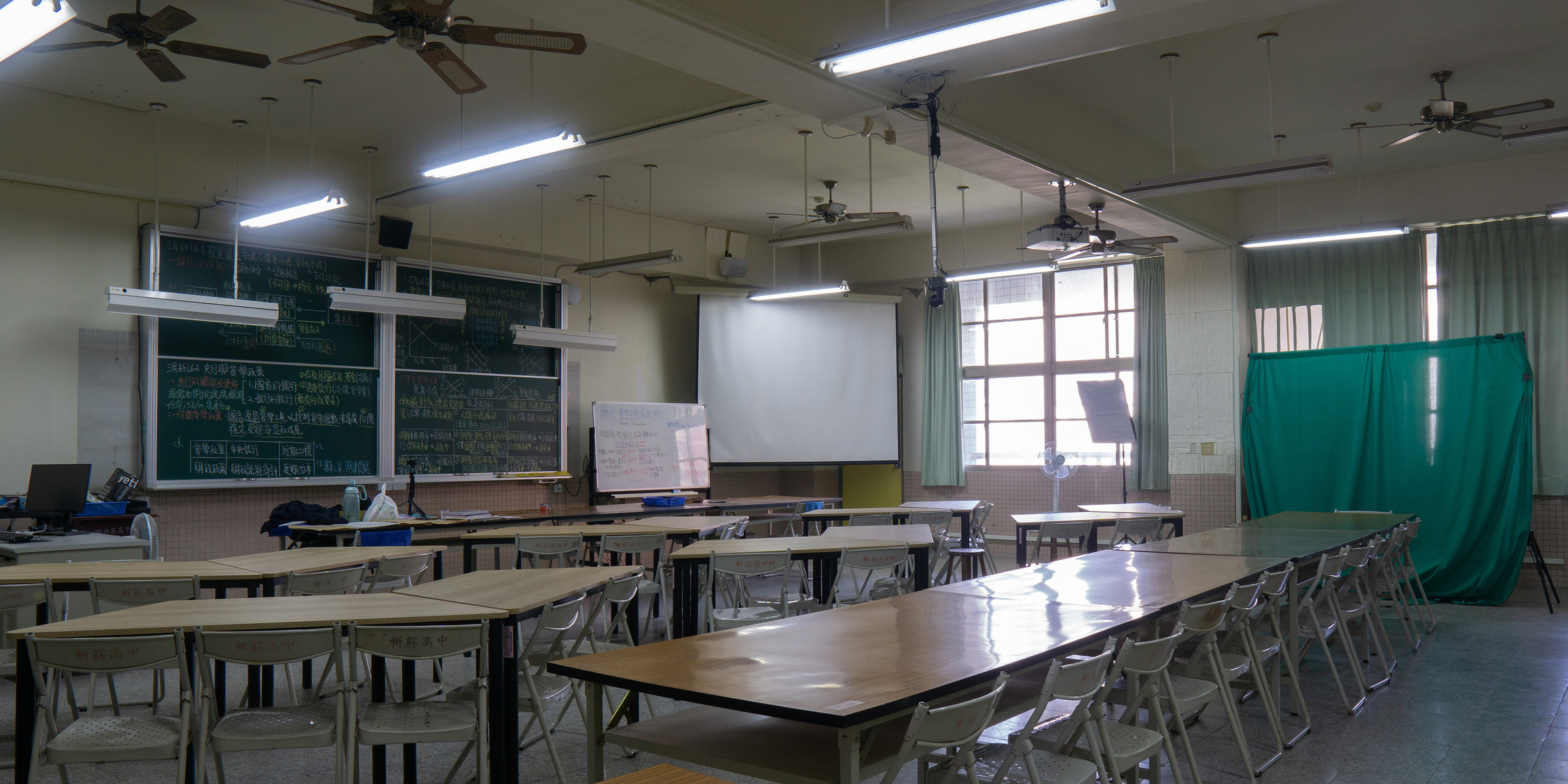
What comes to mind when you think of a civics class? Sleep-inducing theory? Textbook recitation? At Xinzhuang Senior High School, civics education looks entirely different. Lessons connect directly to current events, enabling students to interpret and apply civic knowledge through familiar everyday contexts. Course content is further extended through student-produced magazines and podcast programs, turning abstract knowledge into real civic action. Yet, this increasingly diverse and contemporary learning approach also revealed the limitations of the traditional classroom—misaligned circulation, insufficient storage, rigid furnishings, and a lack of flexible space for group discussions all hindered teaching and active learning.
A Collective Civic Dialogue: Designers, Teachers, and Students Co-Creating Their Learning Environment
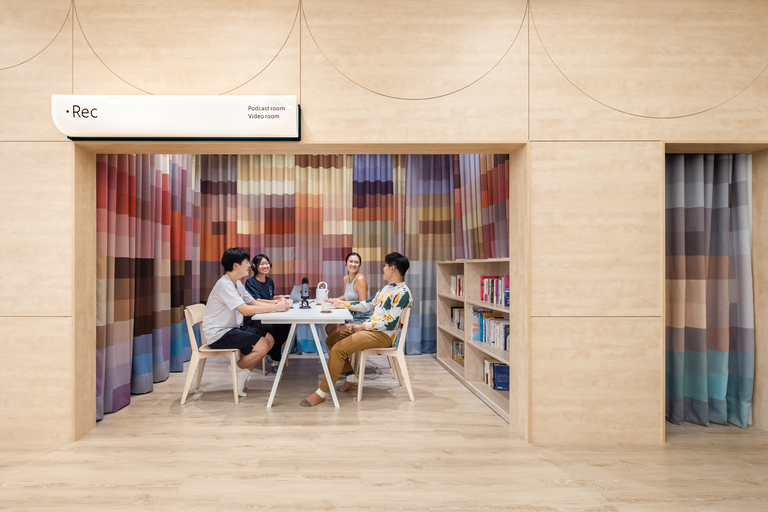
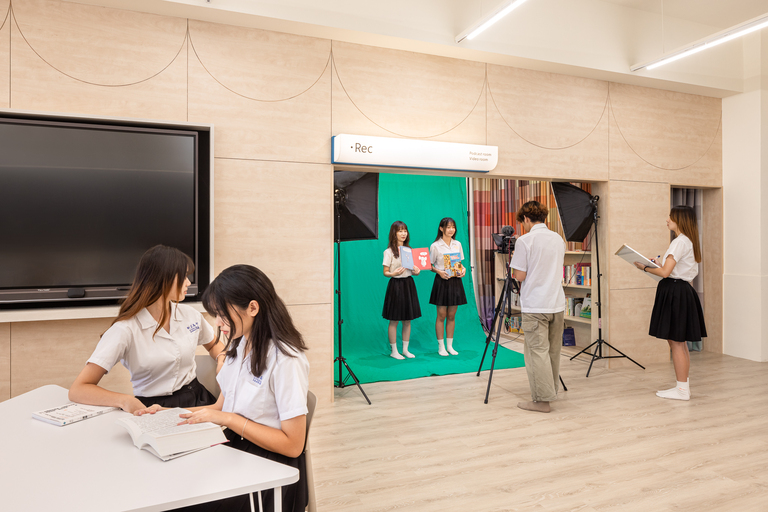
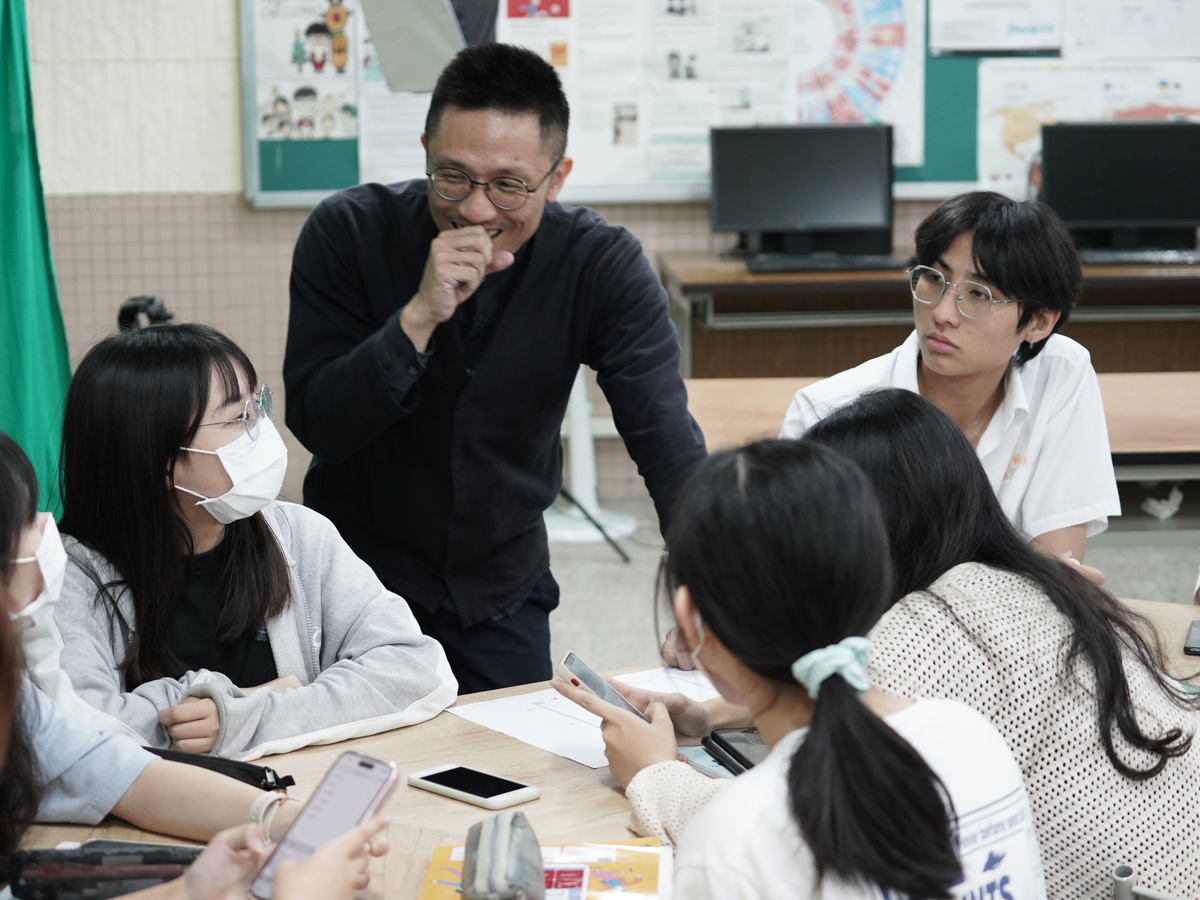
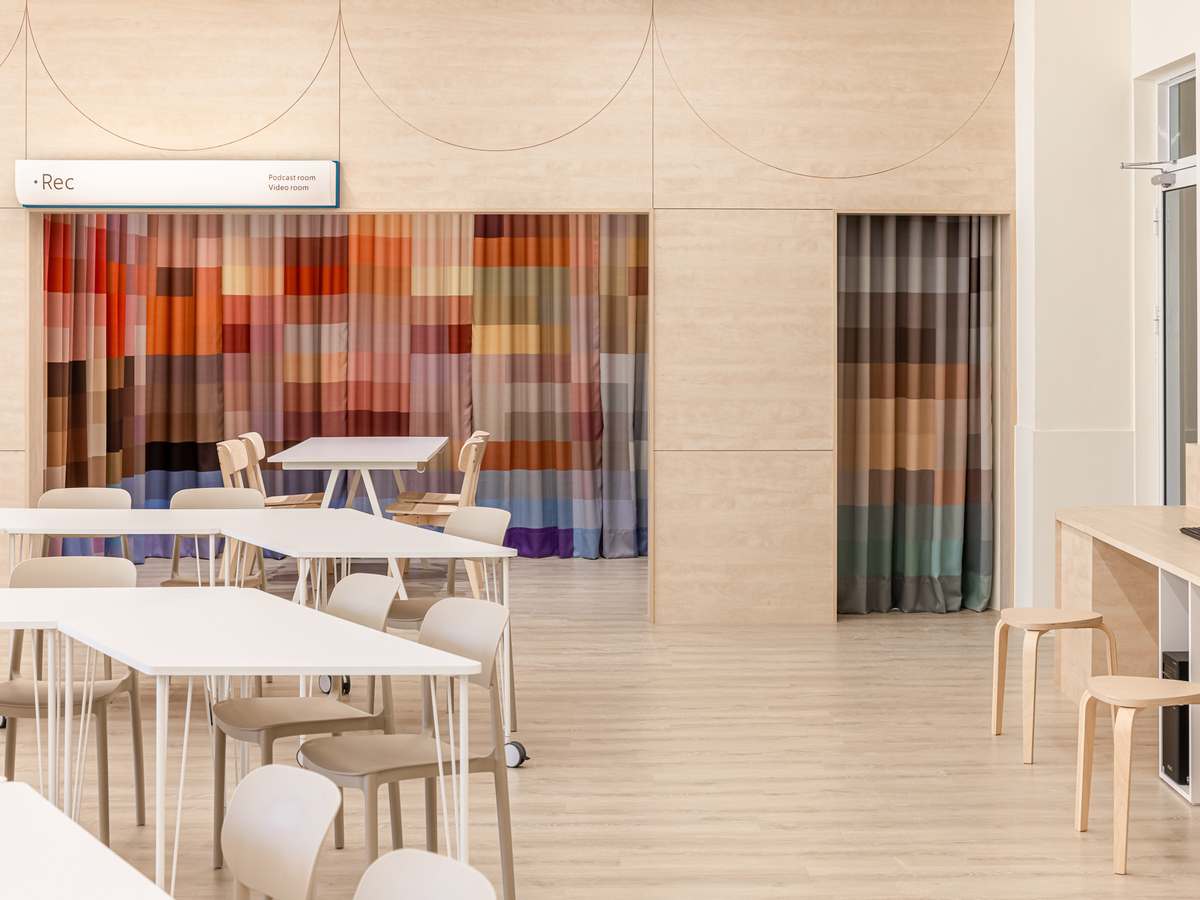
This project marks the first time the Design Movement on Campus initiative formally included students as part of the “design team.” Working collaboratively, the school, designers, and the program team structured a process rooted in civic participation. Through preliminary surveys and four sessions of “Civic Deliberation × Participatory Design,” students articulated user-centered needs and experimented with the possibilities of co-created transformation. Their insights shaped spatial decisions—beginning with converting the unused rear partition into a media-production studio that consolidates equipment storage and clearly distinguishes production from instruction.
From Design Strategies to Shared Memory: A Classroom Shaped by Participation
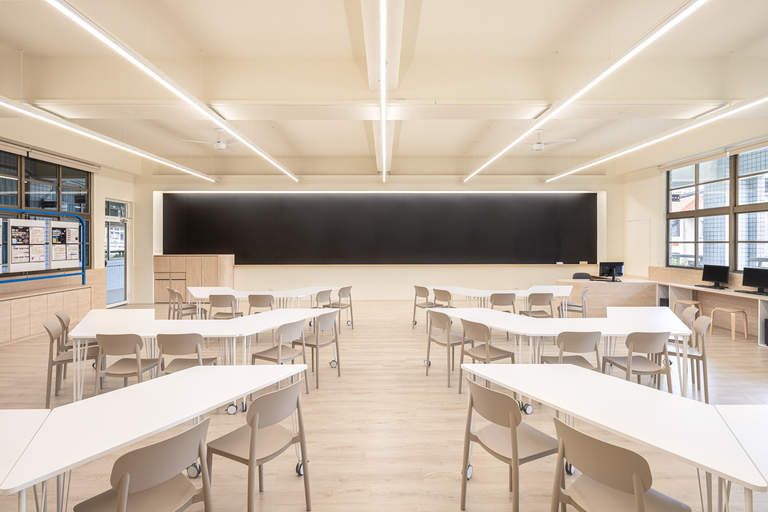
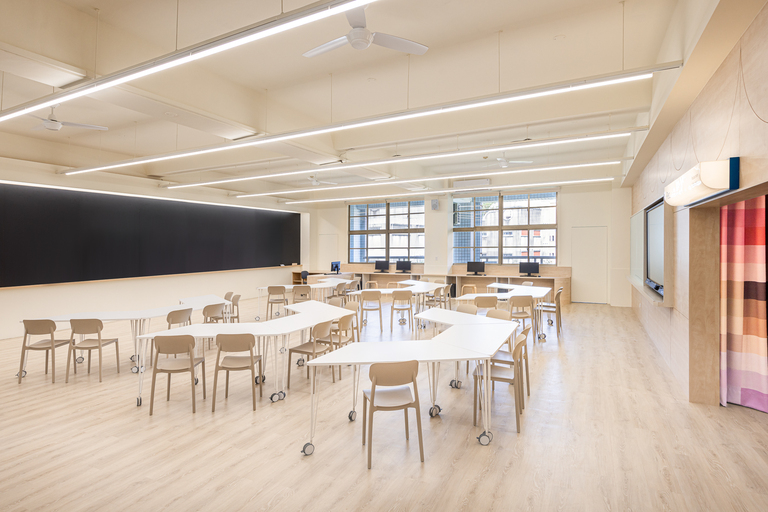
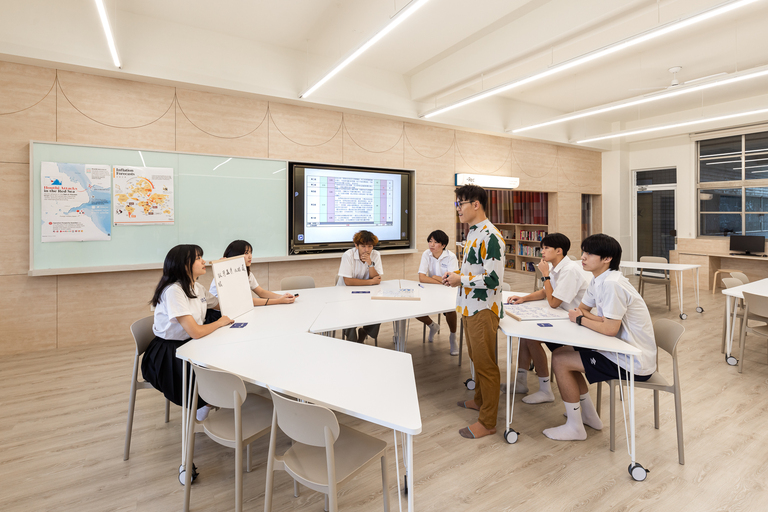
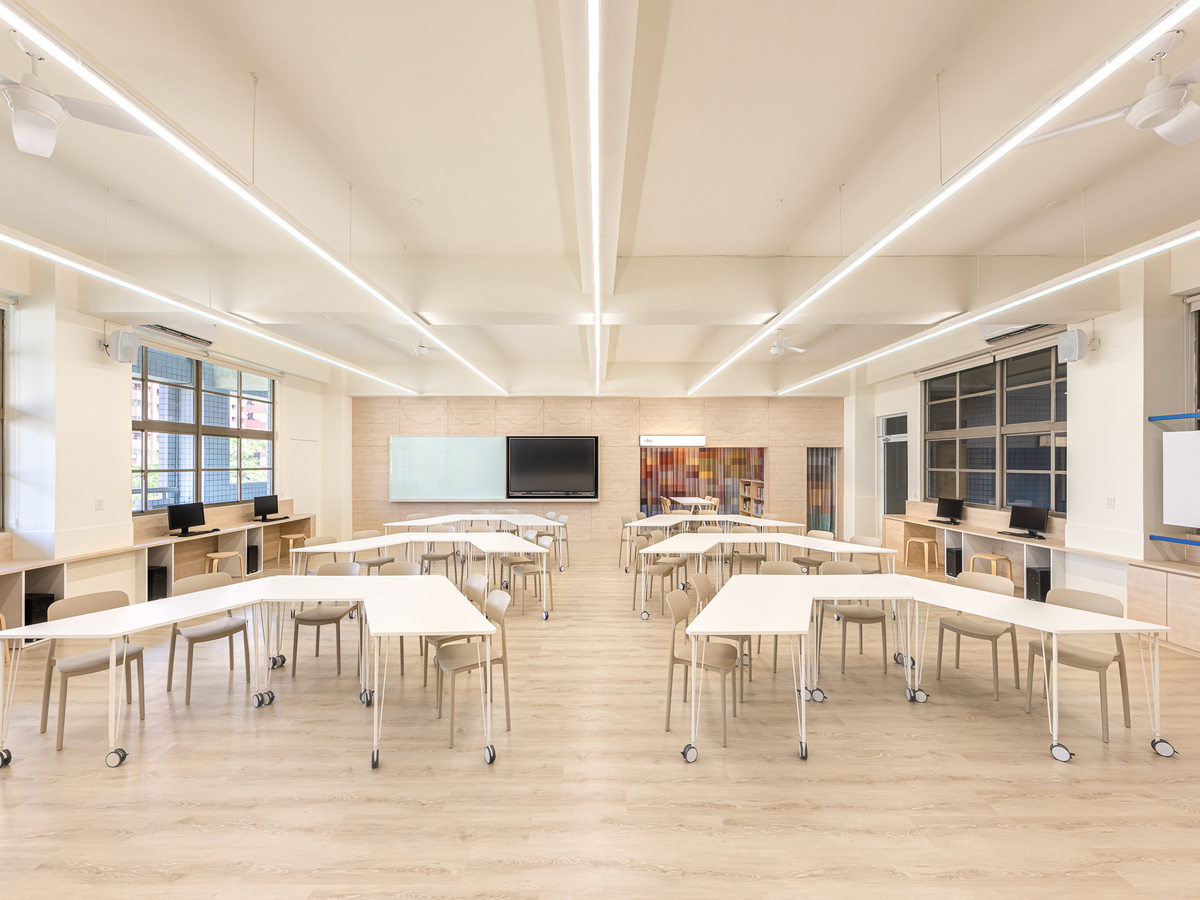
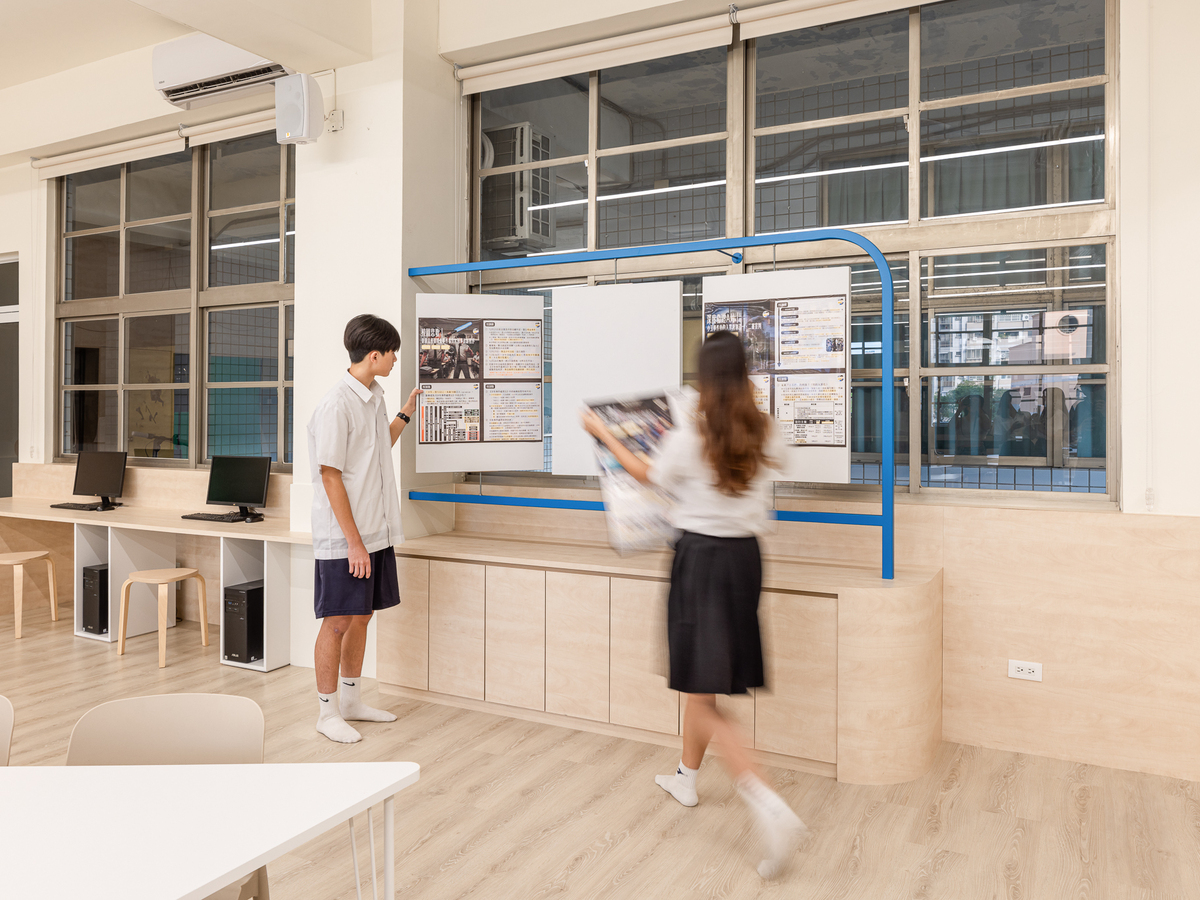
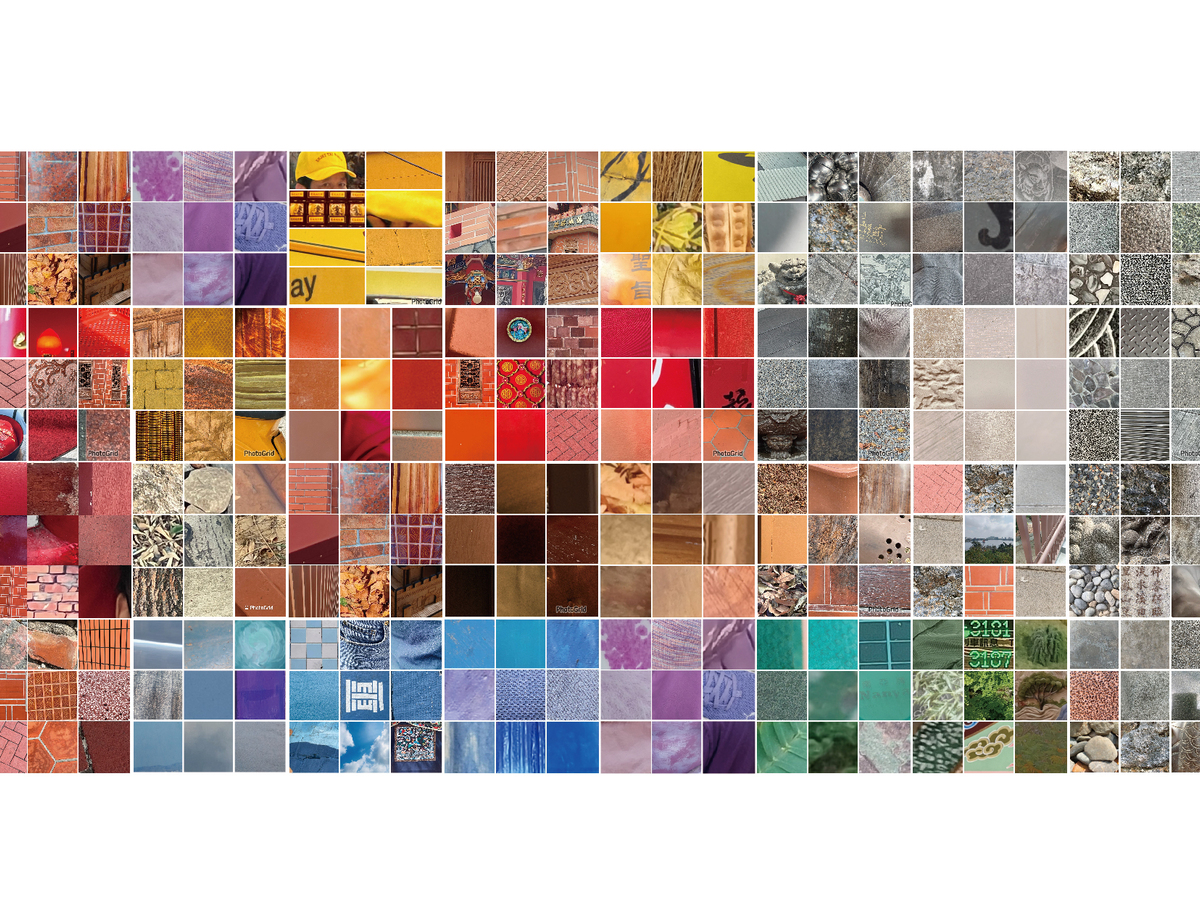
Within the main classroom, circulation and functional layout were reconfigured to align with students’ learning behaviors. Individual computer work areas were expanded, and a larger central zone was reserved for interactive learning. Custom components enabled whiteboards used for group work to flip outward and become display surfaces, merging presentation and storage into a single flexible system. Beyond spatial optimization, the design team translated students’ fieldwork—local color samples collected from Zuoying and Fengshan—into a patterned acoustic curtain that can be interchanged with a green-screen backdrop. This not only grounds the media studio in local identity but also embeds the spirit of collective creation into the daily life of the civics classroom.

Design analysis
-
Integrate civics curriculum with participatory design, allowing students to co-create the classroom layout with professional designers.
-
Convert the rear enclosed room into a dedicated media-production studio, clearly separating teaching and hands-on zones.
-
Transform discussion whiteboards into rotating display panels that combine presentation and storage functions.
-
Incorporate local color samples collected by students from Zuoying and Fengshan into the studio’s acoustic curtain design, expressing collective memory and co-creation.