HH2o Design Workshop Collections
Yunlin County Zhanghu Junior and Elementary School of Ecology|Forest Food Factory
“ Children, let's go to nature to find the pleasure of food and learning. ”
—— Henry David Thoreau
Opening the Boundary Between Dining Hall and Outdoors for Greater Flexibility
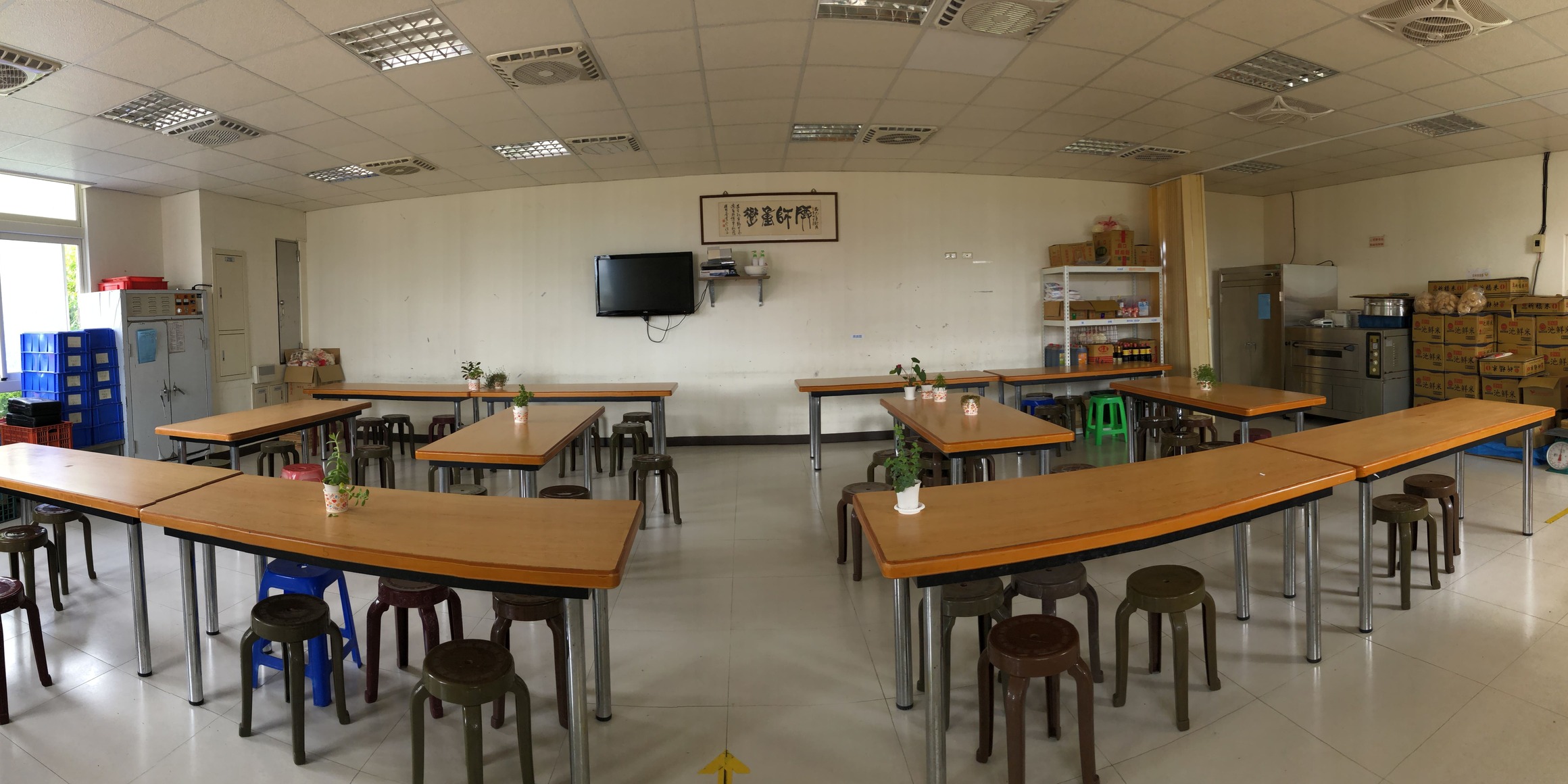
Nestled amid tea fields and forested slopes, the student canteen at Zhanghu Eco Elementary and Junior High School is one of the most frequently used spaces on campus—not only serving three daily meals but also functioning as a venue for studying and teaching. However, its adjacency to the kitchen, combined with terrain constraints, often results in stagnant air and uncomfortable heat. Furthermore, the lack of a clear boundary between kitchen and dining area, along with scattered and insufficient storage, makes the space feel even more congested.
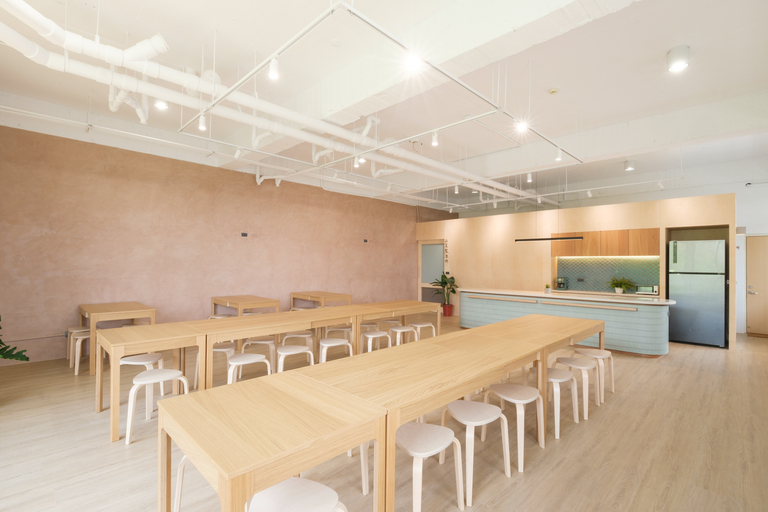
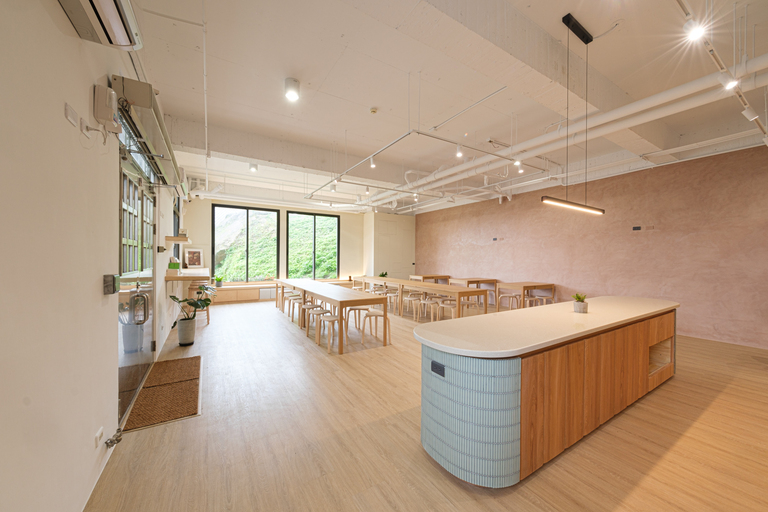
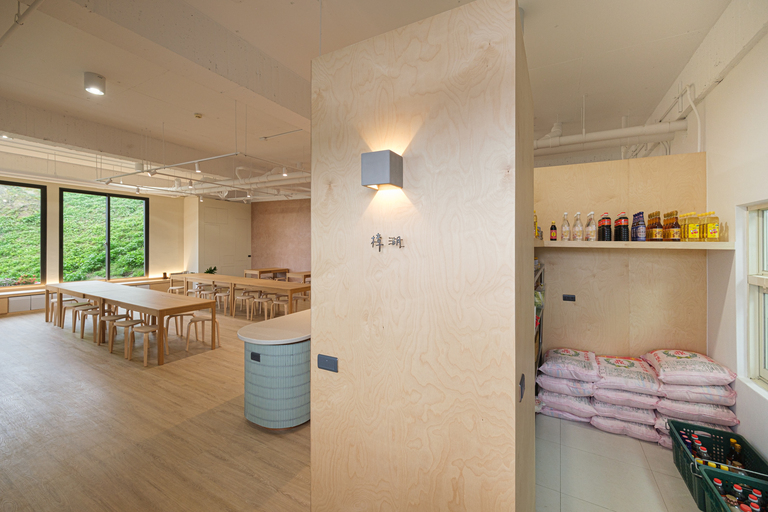
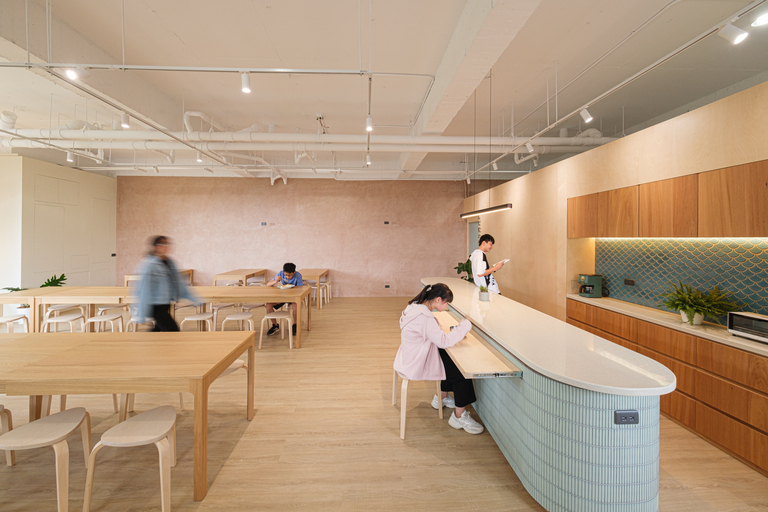
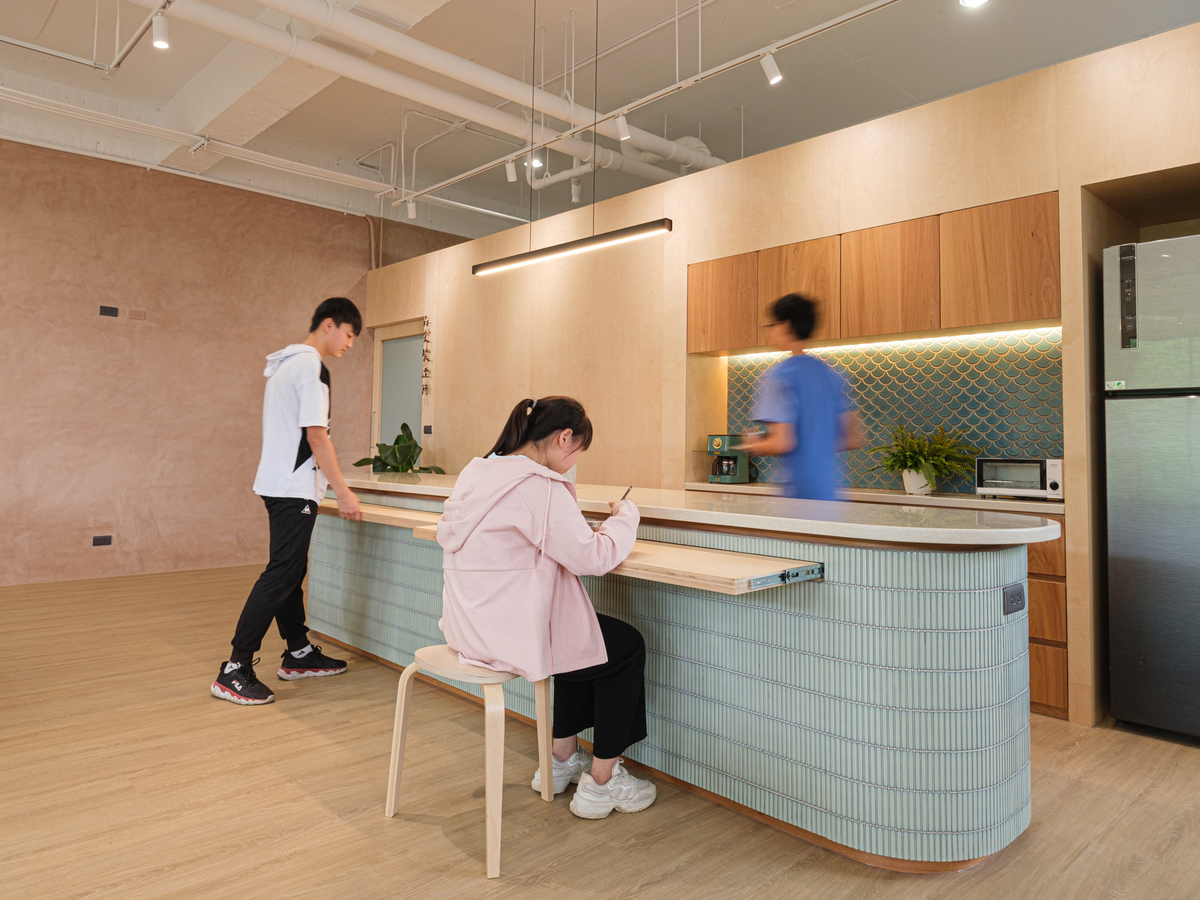
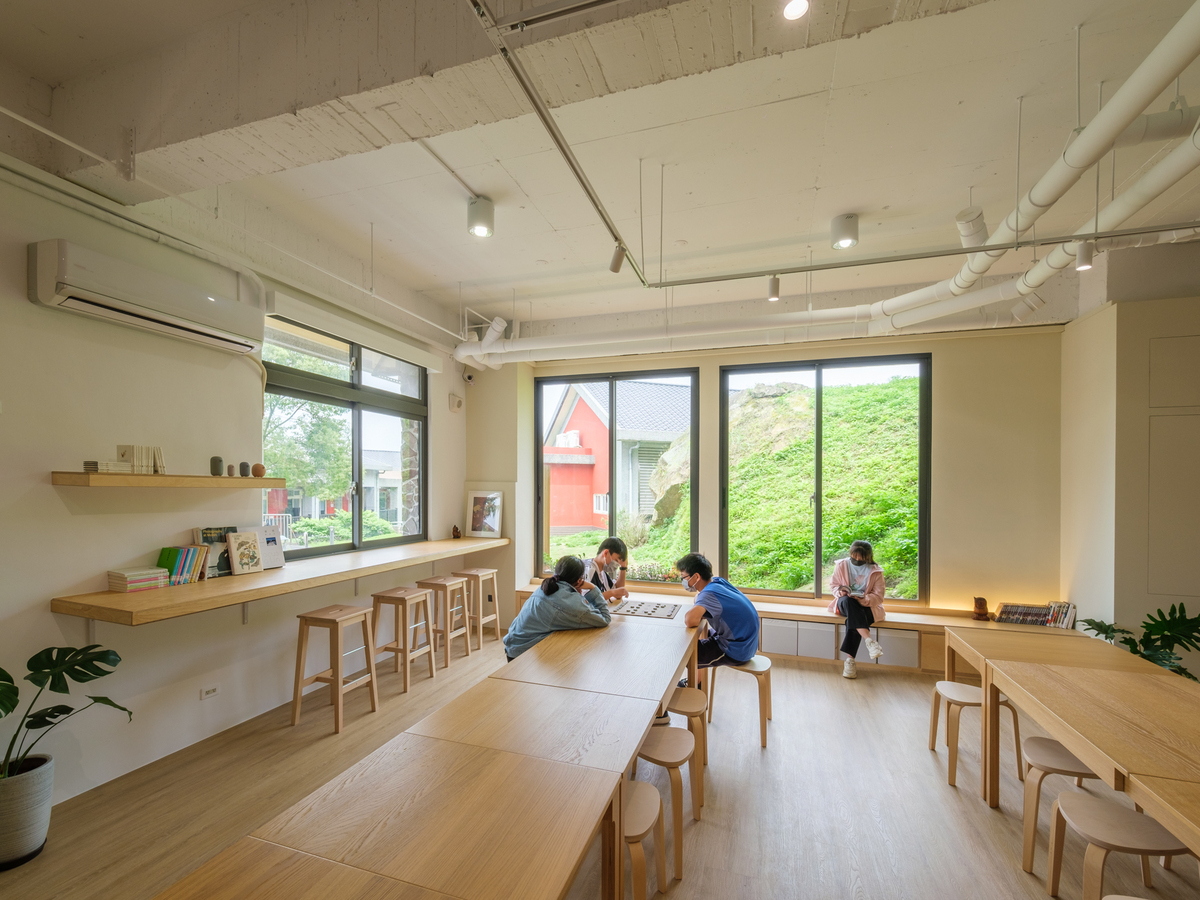
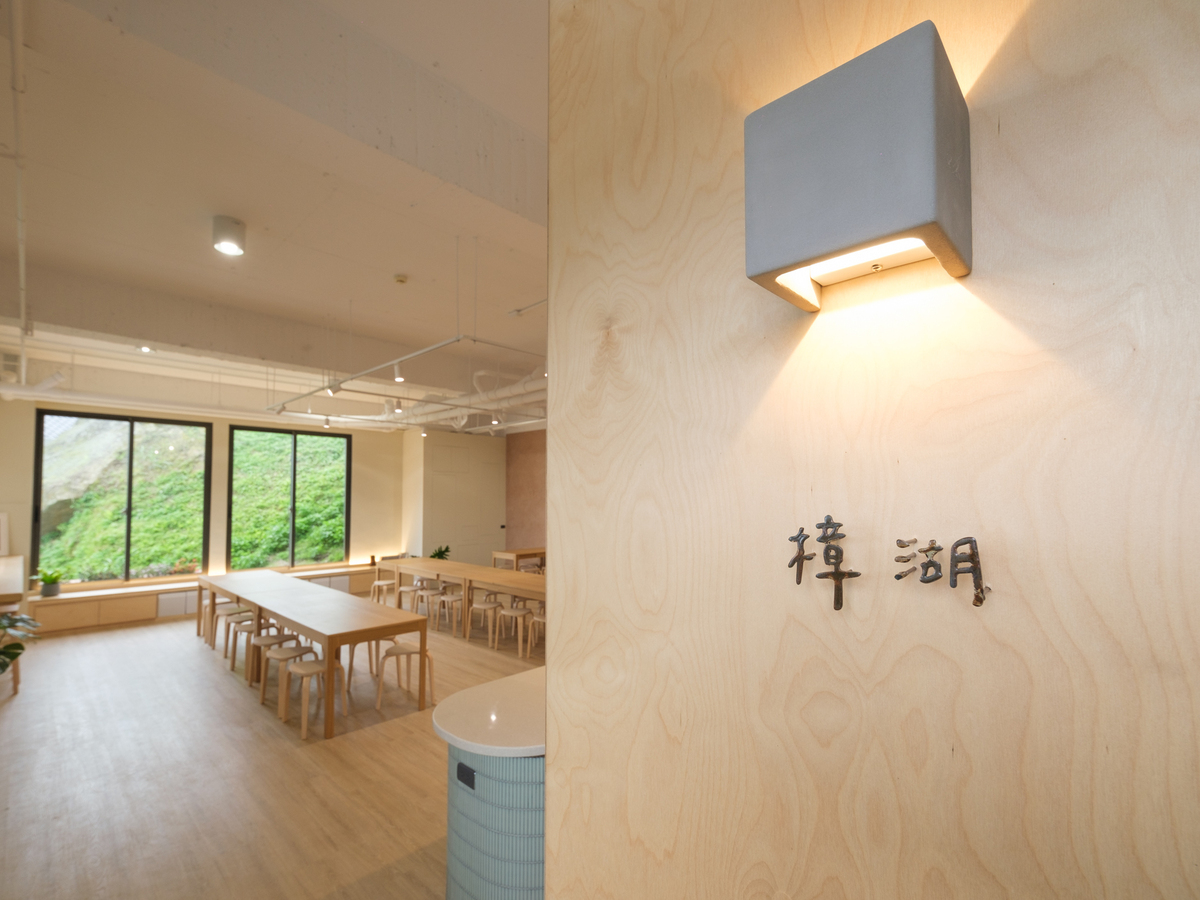
To resolve the ventilation issues, the design team installed ceiling-mounted exhaust systems to improve air circulation. Since the space must accommodate dining, studying, and instructional activities, double-sided storage cabinets were added between the kitchen and dining areas. These cabinets accommodate kitchen tools and ingredients while also incorporating whiteboard sliding panels for teaching and displaying daily menus. A new central island reorganizes the serving flow, while movable desks and chairs allow flexible layouts for meals or learning activities. Existing aluminum windows were replaced with multifunctional window platforms that extend activity zones toward the outdoors. In addition to increasing brightness and improving airflow, these platforms offer students a place to read or rest, adding greater versatility to the space.
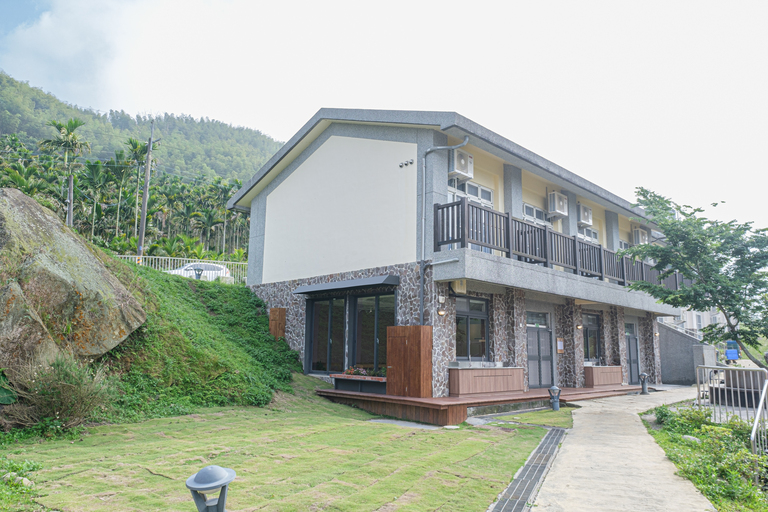
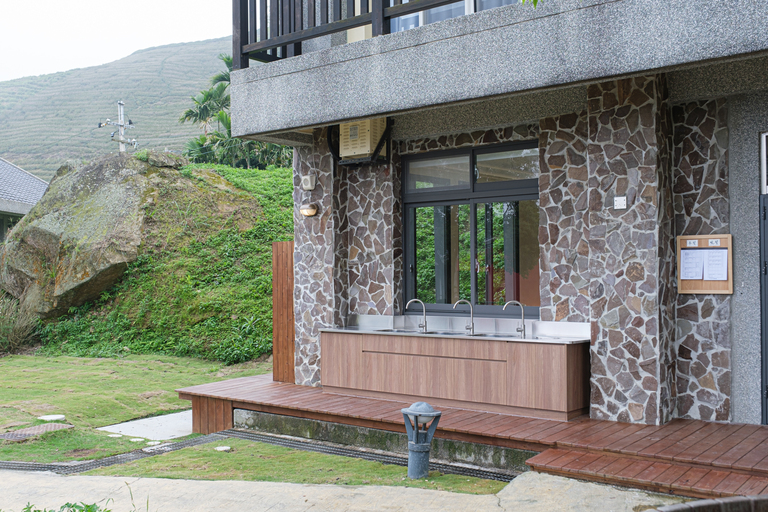
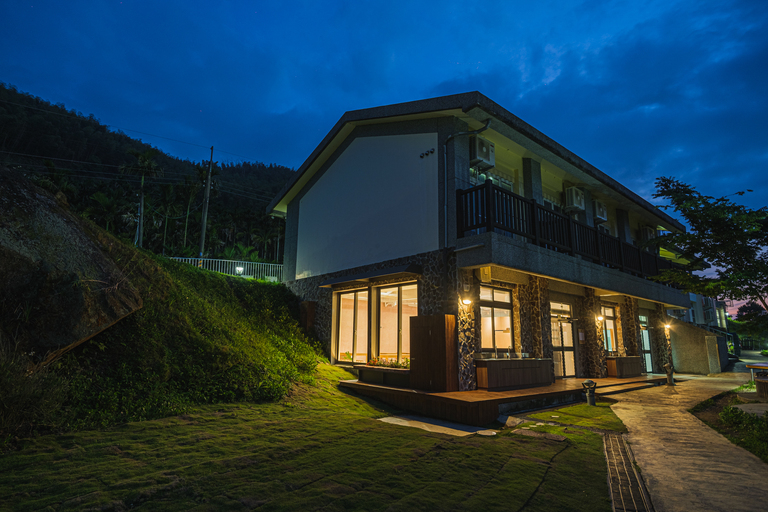
The building exterior originally presented visual inconsistency, and exposed food-waste equipment raised both aesthetic and hygiene concerns. The design team introduced a unified color scheme through repainting and added wooden decking to create an orderly washing platform that consolidates sinks, electrical boxes, and drainage systems. A new dry–wet food waste separation tank ensures proper routing of grease into the grease interceptor, maintaining environmental hygiene while also teaching students about responsible waste management. Through these inside-out improvements, the entire canteen is transformed into a refreshed, healthy, and inviting environment.




Design analysis
-
Enhance air circulation with new exhaust systems.
-
Redesign dining circulation, kitchen layout, and storage for ingredients and equipment.
-
Integrate dining, teaching, and study needs through new furniture layout and a central island.
-
Open the wall facing the outdoor play slope and create multifunctional window platforms.
-
Repaint exterior walls, add wooden decking and cabinets, and reorganize utilities for clean, coherent façades.
-
Introduce dry–wet food waste separation to guide students in environmentally responsible disposal practices.